


Author: Drew Wang
11/19/2021 A very successful workshop for catching up the Partial Denitrification Anammox (PDNA) Research!
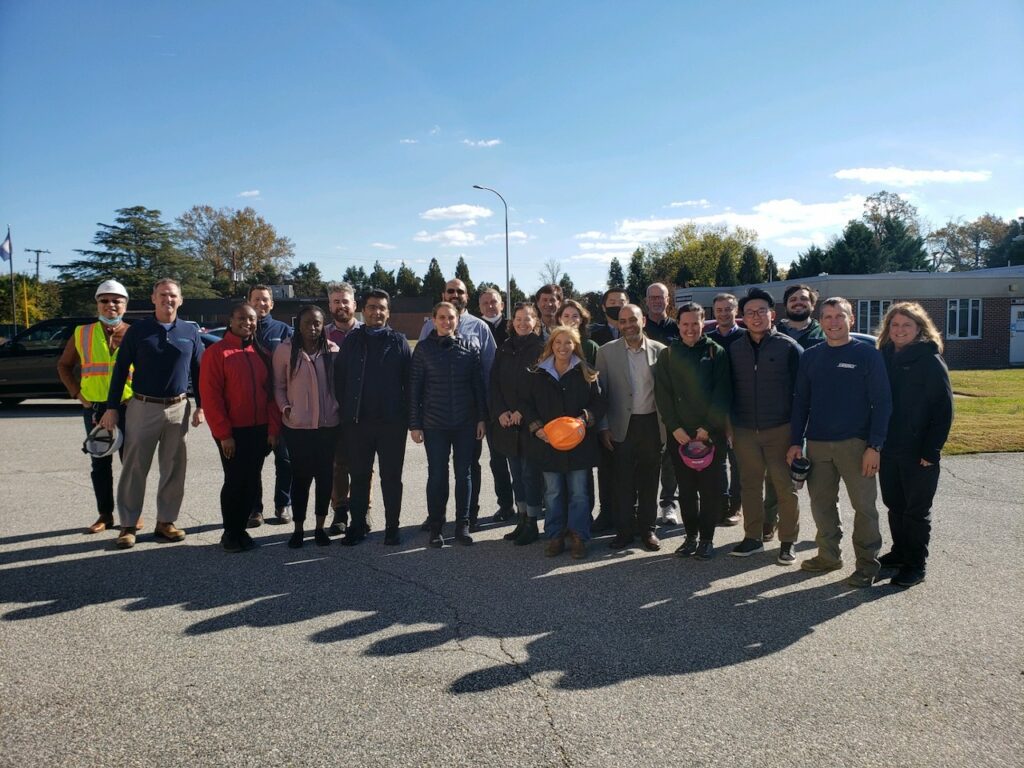
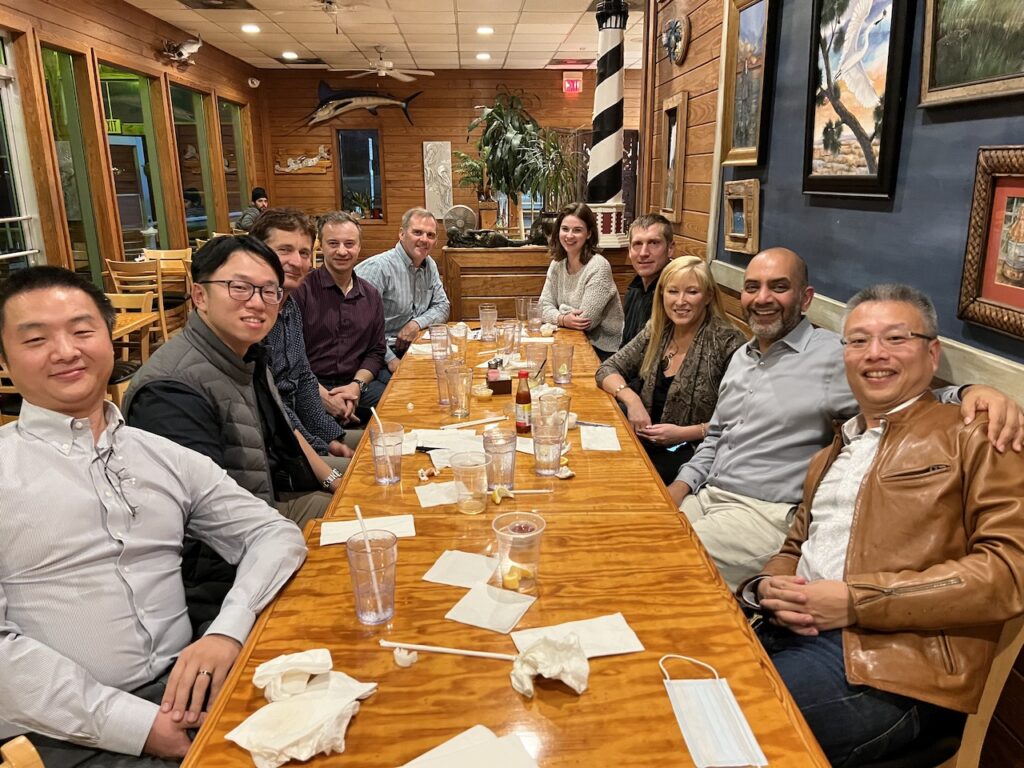
Have not seen these old friends and collaborators since the pandemic! It feels so good to be able to meet and discuss research ‘in person’. PDNA technology gives a very good chance for anammox to serve mainstream wastewater treatment in full-scale application. I have a good faith in it!
11/12/2021 Distance is not a problem for pilot study anymore!
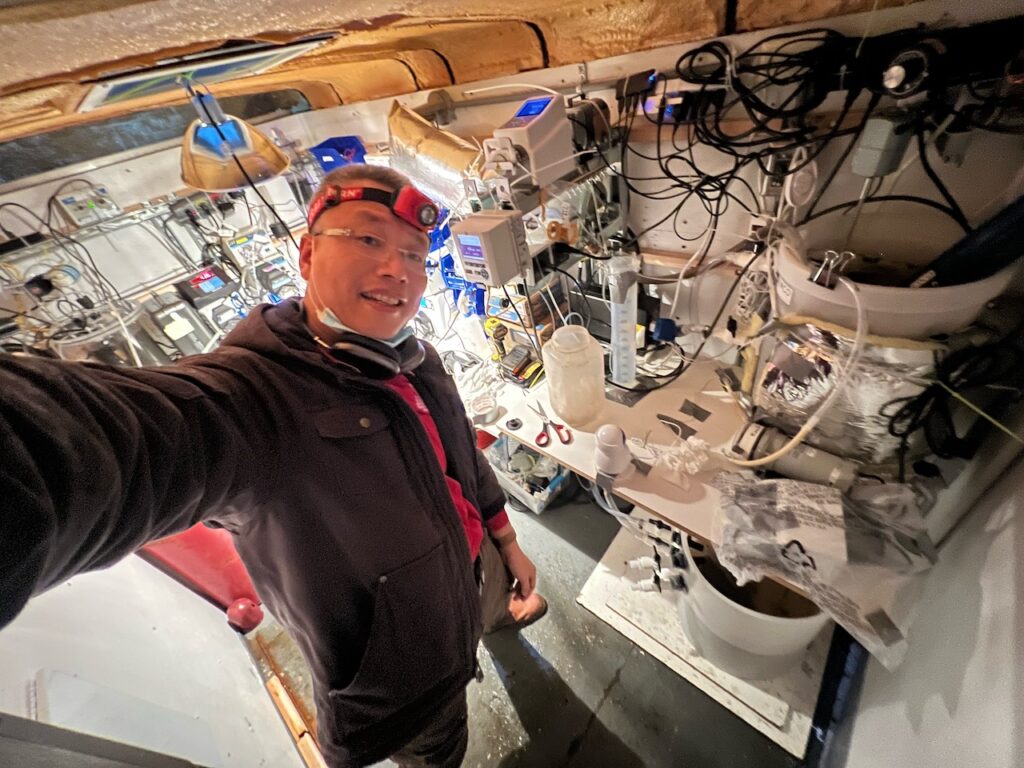
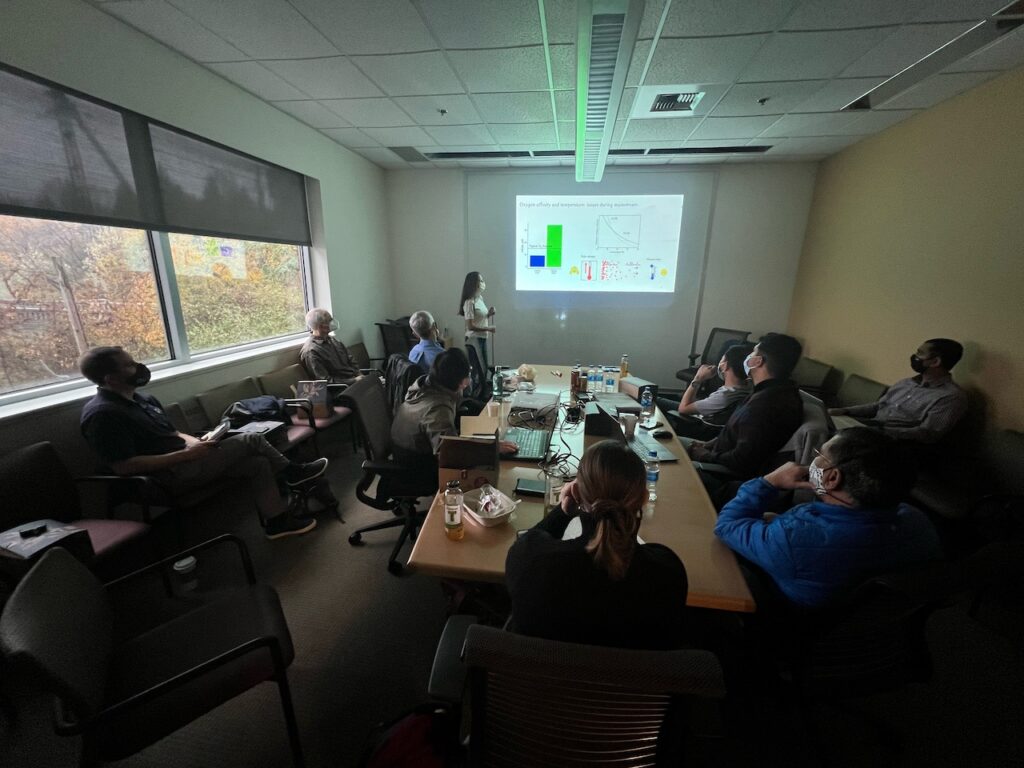
Just flew back from Seattle after touring our mainstream partial nitrification and partial denitrification anammox (PNA-PDNA) pilot system funded for providing “Nitrogen Reduction Technology Solutions for Ocean Discharges” by Water Research Foundation (WRF 5133). It is amazing to meet sponsors and collaborators ‘in person’. Honestly, this is my first time remote controlling a west coast pilot system from the east coast through online algorithm. Everything is automatic and smart. Appreciate talented graduate students, funding agency (WRF), industrial collaborators (Hazen), utility partners (Everett), and academic collaborators (UW & Utah) to make this happen!
10/22/2021 Congratulate Mr. Kyle Malin on his successful defense of his thesis titled “Development of Kinetic Parameterization Methods for Nitrifying Bacteria using Respirometry”

Development of Kinetic Parameterization Methods for Nitrifying Bacteria using Respirometry
Kyle Malin
ABSTRACT
Understanding how nitrifiers react when exposed to low DO conditions could provide a greater understanding of low DO operations in full-scale biological wastewater treatment. Previous methods to observe nitrifier oxygen kinetics do exist in literature, however they are inefficient and labor intensive. Other more efficient methods require the use of selective inhibitors, which alter the characteristics of the biomass. This study developed a time and labor efficient respirometric method to distinctly measure oxygen half-saturation coefficients for both ammonia oxidizing bacteria (AOB) and nitrite oxidizing bacteria (NOB) without the use of selective inhibitors. By eliminating the use of inhibitory substances, representative biomass characteristics were maintained throughout the tests. The developed method, called the declining DO method, consisted of using a high-speed dissolved oxygen (DO) probe to measure relative oxygen uptake rates (OUR) within a batch reactor when varying substrates (ammonia and nitrite) were present in excess within the system. A forward model was developed based on Monod kinetics to simultaneously fit Monod curves to the experimental OUR data. These curves were fit by solving for optimum oxygen kinetic parameters representing endogenous respiration, NOB, and AOB. An inverse model using Markov chain Monte Carlo analysis was applied to the results found in the forward model to provide statistical validation of the proposed respirometric method. A separate method, called the substrate utilization rate test, was conducted in parallel with the declining DO tests to compare and verify oxygen half-saturation coefficient results. Parallel tests were conducted using biomass samples from three different Hampton Roads Sanitation District (HRSD) full-scale facilities. Operating conditions between the three HRSD facilities were considered when performing parallel testing, including averages for DO, solids retention time (SRT), and floc size. Average floc size was found to have a significant effect on the observed oxygen half-saturation values. Observed trends for the KO values estimated using the two methods remained consistent throughout all tests, where KO,NOB was always lower than KO,AOB. The comparison of the two methods highlighted some faults associated with the substrate utilization rate test, which is commonly used in literature to observe nitrifier oxygen kinetics. The declining DO method appeared to be more resistant to potential experimental error and required less than half the time compared to the substrate utilization rate test. The development of the declining DO method without the use of selective inhibitors provided a more time and labor efficient technique for estimating apparent KO values for NOB and AOB without sacrificing biomass characteristics representative of the full-scale treatment process. Biomass samples collected from variable treatment process conditions yielded consistent parallel test results, providing further evidence that the proposed declining DO method can be a robust and reliable technique for distinctly measuring apparent oxygen half-saturation values for NOB and AOB.
9/23/2021 Congratulation to Zhaohui and Xueyao for their new publication in Food and Bioproducts Processing about single culture biogranulation!
https://doi.org/10.1016/j.fbp.2021.09.012
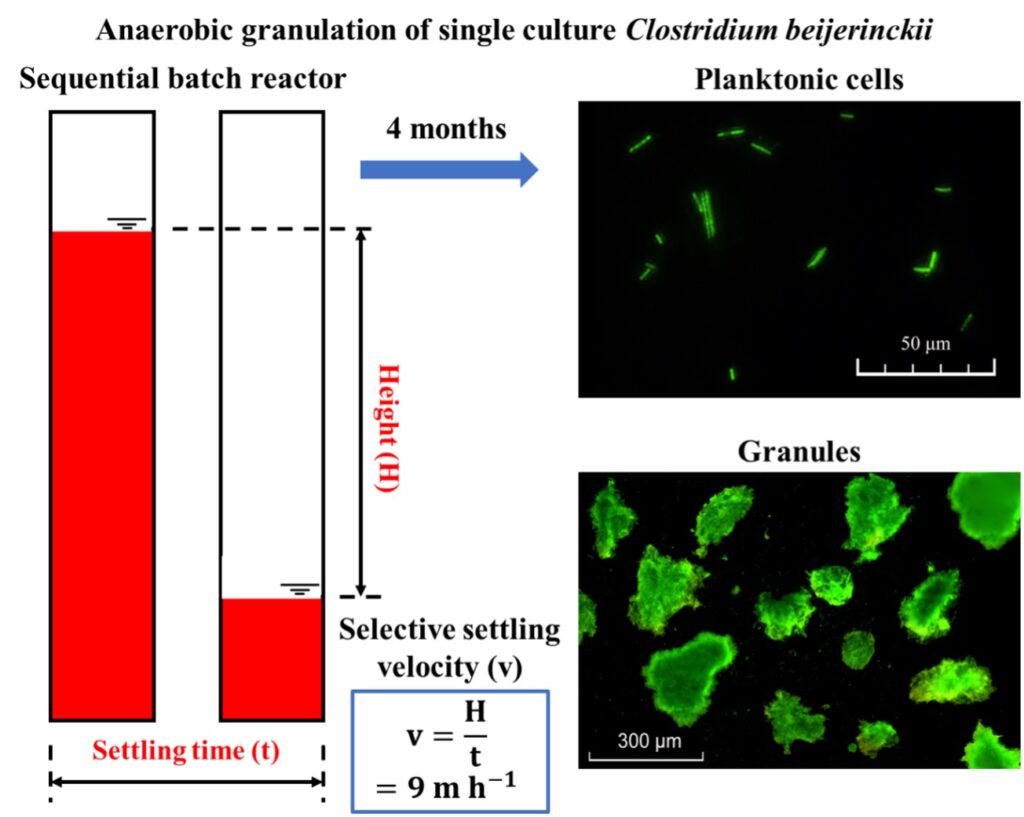
Abstract: This study utilizes Clostridium beijerinckii P260, an anaerobic bacterium capable of acetone-butanol-ethanol (ABE) production, as model bacteria to test the hypothesis that single culture anaerobic granulation can be achieved in accordance with the biogranulation theory developed from the mixed culture studies. After four months of cultivation, C. beijerinckii granules formed under the selection pressure of a selective settling velocity at 9.0 m h-1 in a sequential batch reactor. These C. beijerinckii granules possess excellent settleability and exceptionally high cell and enzyme concentrations, which demonstrate promising potential in the application for high-rate fermentation and separation of value-added products. However, C. beijerinckii granules only accounted for 25% of the cell mass in the sequential batch reactor (SBR), leaving the rest 75% still in the form of planktonic cells, which indicate an incomplete anaerobic granulation. The lack of ideal feast and famine conditions in the cyclic SBR operation was regarded as the reason. Future research should focus on the optimization of the bioreactor operation to create optimal conditions for inducing the phenotype switch from planktonic to granulated growth mode.
9/16/2021 We had a fruitful WaterJam conference
We have three oral presentations and five posters (listed below) presented at the WaterJam. Zhaohui received a 1st place award for his poster. Most importantly, we met our team alumni and many old friends from utilities and consulting firms that we have not met for two years due to the pandemic.
Oral presentations:
Iboleon R., Zhang D., An Z., Strawn M., Broderick T., Khunjar W., Wang Z.W. (2021) Fate and Formation of Recalcitrate Dissolved Organic Nitrogen During Thermal Hydrolysis and Anaerobic Digestion of Municipal Biosolids, WaterJAM 2021, Virginia Beach, VA, September 13-16
Zhang X., An Z., Bott C.B., Wang Z.W. (2021) Long-Term Stabilization of Nitrifying Granular Sludge Without Hydraulic Selection Pressure, WaterJAM 2021, Virginia Beach, VA, September 13-16
An Z., Bott C.B., Angelotti B., Brooks M., Wang Z.W. (2021) Application of a continuous upflow selector for enabling continuous flow aerobic granulation in real domestic wastewater, WaterJAM 2021, Virginia Beach, VA, September 13-16
Poster presentations:
Luo H., Freed C., Gillaspy G., Wang Z.W. (2021) Phosphorus immobilization in biochar produced from plants genetically engineered for luxury phosphorus uptake, WaterJAM 2021, Virginia Beach, VA, September 13-16
Wang J.F., Sun Y.W., Khunjar W., Pace G., Pathak A., McGrath M., Wang Z.W. (2021) Low concentration nitrogen polishing via the synergy between partial denitrification and anaerobic ammonia oxidation in moving bed biofilm reactors under real-time feed forward control at Noman M. Cole Jr., Pollution Control Plant, WaterJAM 2021, Virginia Beach, VA, September 13-16
Zhang X.Y., Shi J., Zhang W., Wang Z.W. (2021) Volatile Fatty Acid Recovery via Deep Eutectic Solvent in Membrane Contactor System, WaterJAM 2021, Virginia Beach, VA, September 13-16
An Z., Bott C.B., Angelotti B., Brooks M., Wang Z.W. (2021) Applying feast and famine selection pressure in continuous flow aerobic granulation systems to manage treatment performance during startup, WaterJAM 2021, Virginia Beach, VA, September 13-16 (1st place award)
Iboleon R., Zhang D., An Z., Strawn M., Broderick T., Khunjar W., Sveuma K., Schmitz B., Wang Z.W. (2021) Understanding the Thermal Hydrolysis Effect on Recalcitrant Nitrogen Formation With and Without Anaerobic Digestion of Municipal Biosolids, Virginia Beach, VA, September 13-16
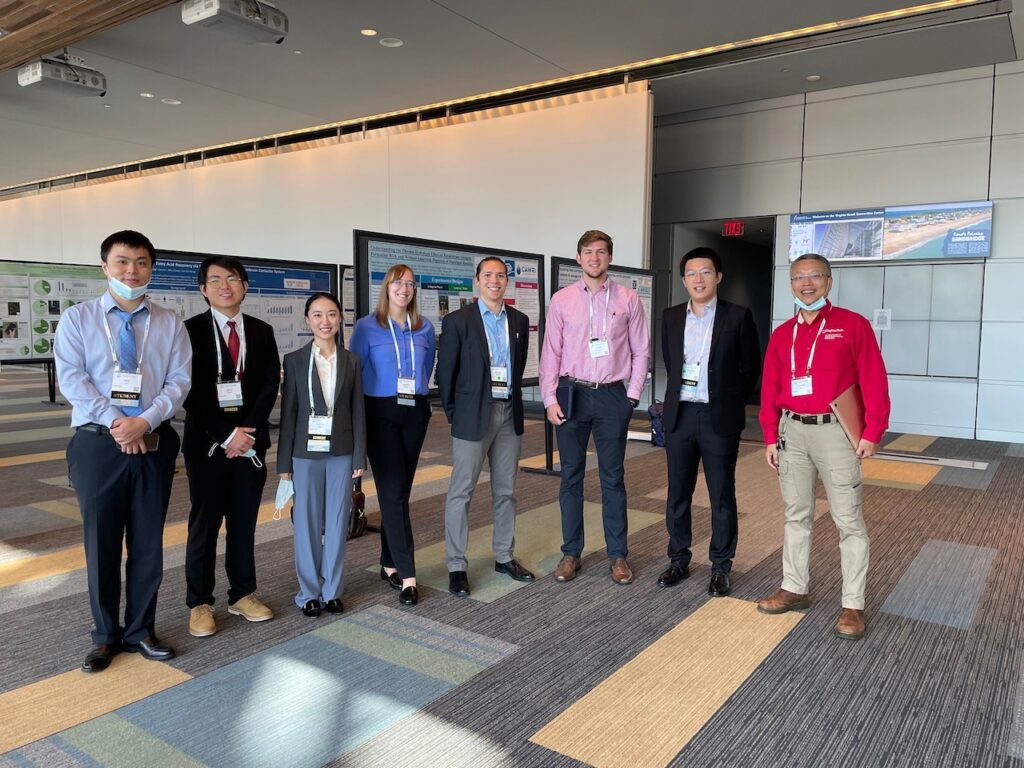
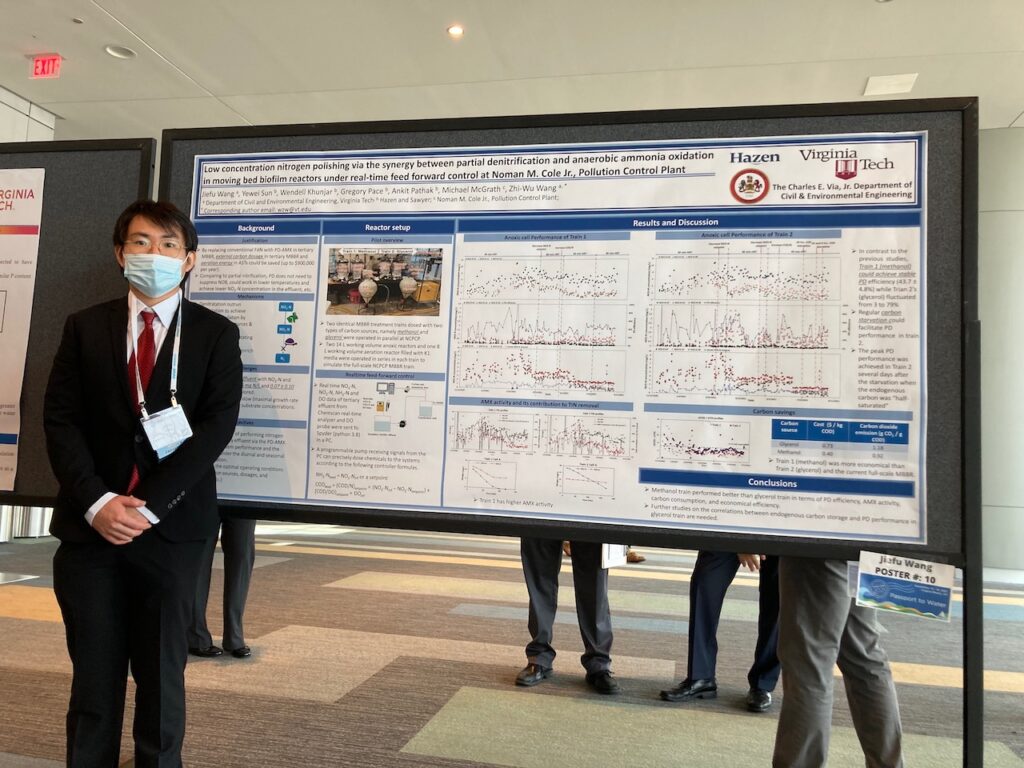
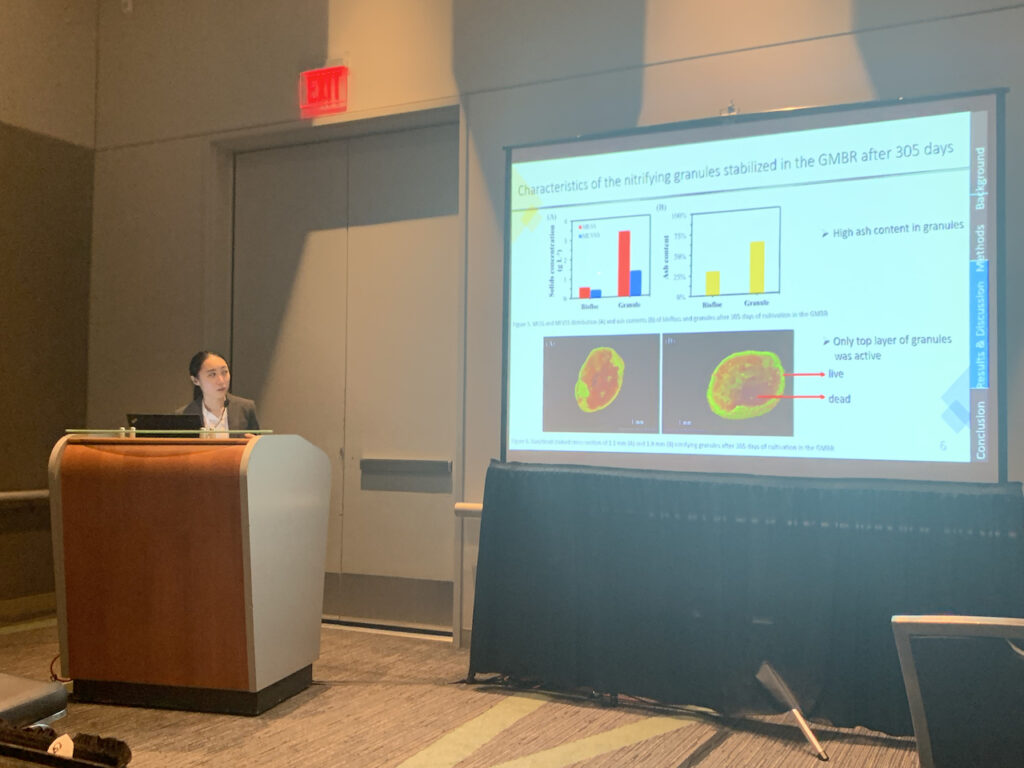
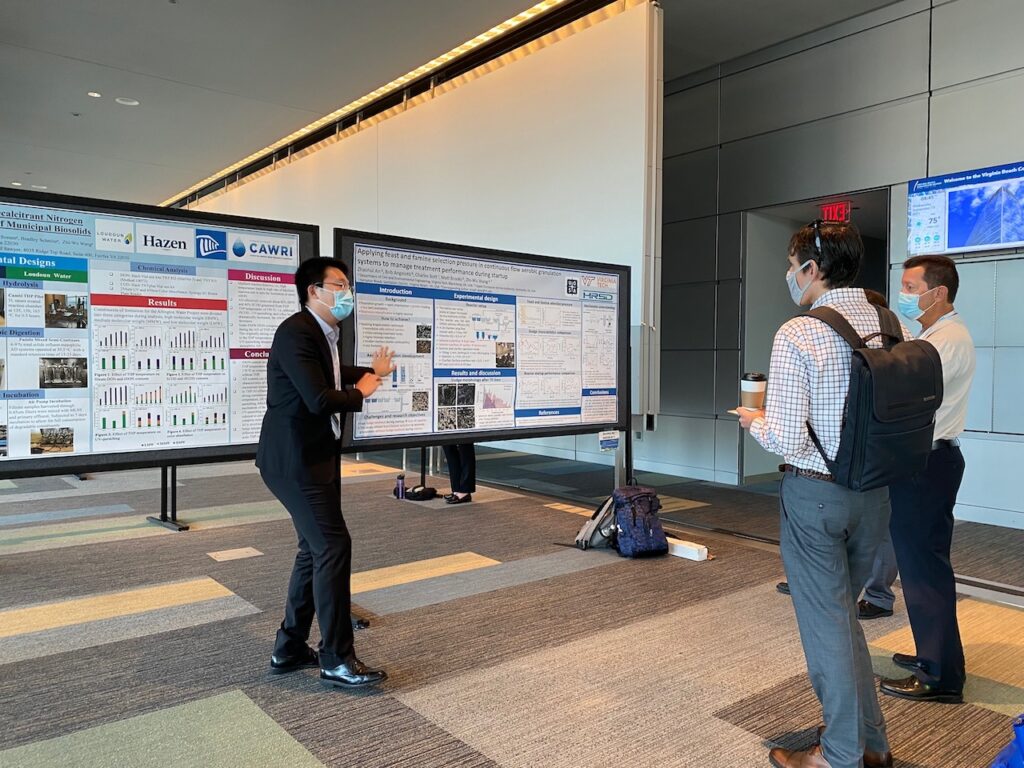


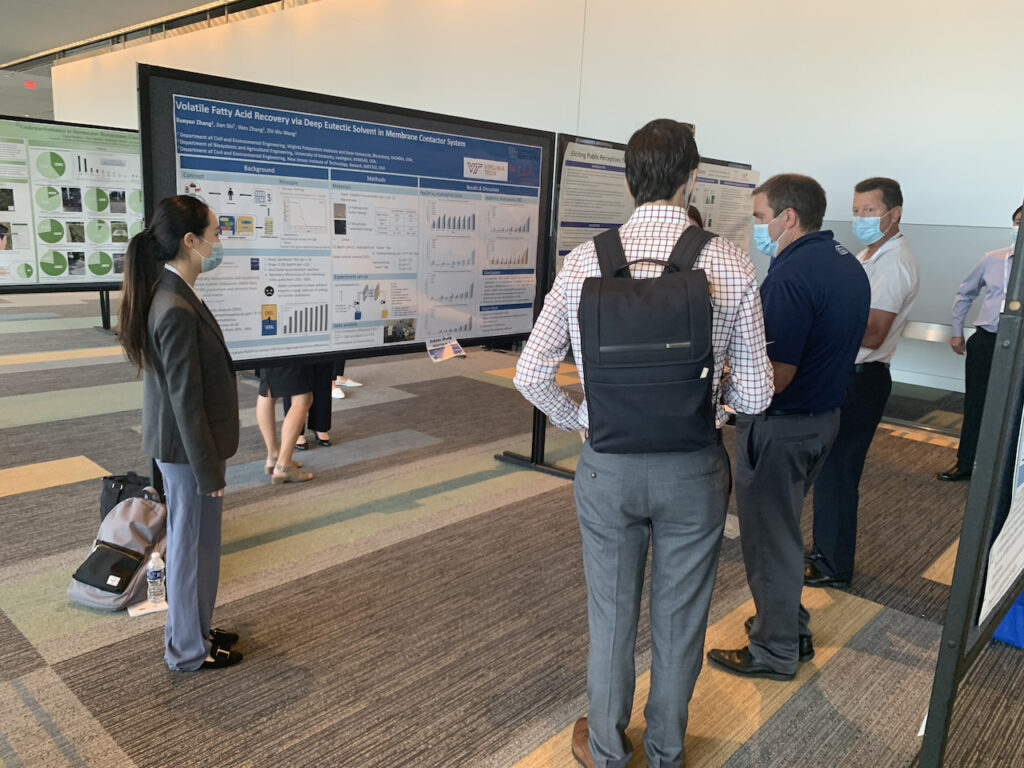
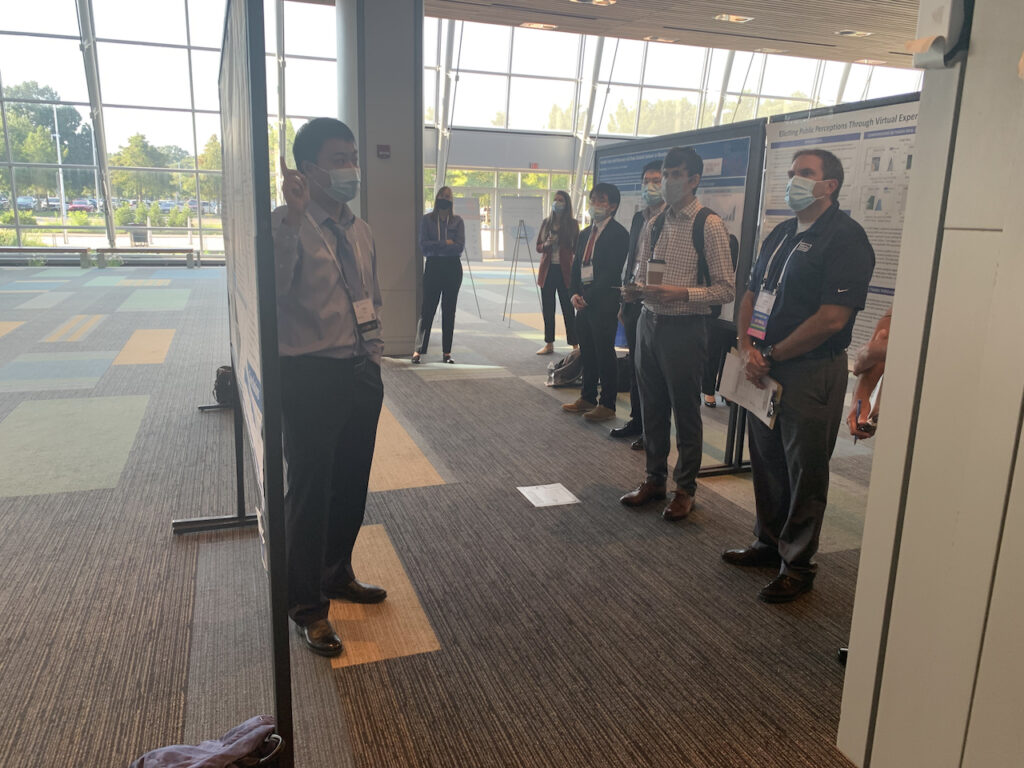
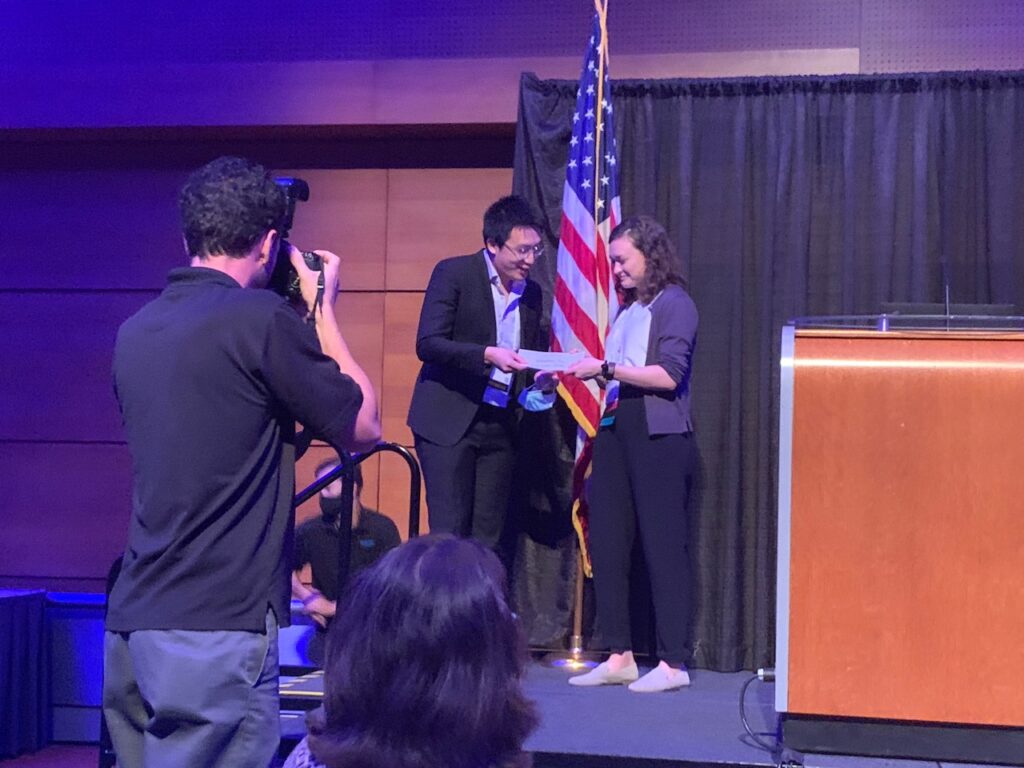
9/15/2021 Congratulation to Zhaohui for receiving a 1st place award in WaterJam conference!
Zhoahui received the 1st place award in Fresh Ideas Poster Contest (wastewater category). The title of his poster is “Applying feast and famine selection pressure in continuous flow aerobic granulation systems to manage treatment performance during startup”
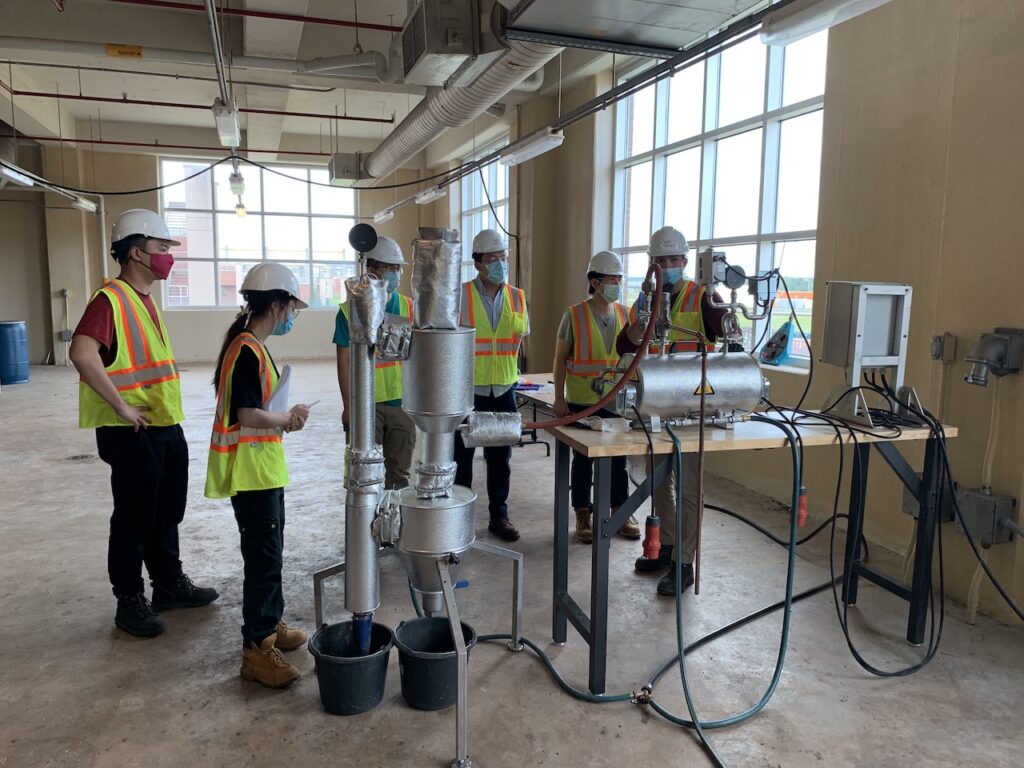
8/17/2021 Field tour of the pilot-scale thermal hydrolysis anaerobic digestion setup in Loudoun Water Broad Run Water Reclamation Facility.
This system can double the total solid concentration and halve the solids retention time used in anaerobic digesters, directly upgrading the treatment capacity of existing anaerobic digesters for four times.
8/11/2021 Congratulation to Zhaohui and Xueyao for their new publication titled “Aerobic granulation of single culture protist” in Process Biochemistry!
https://doi.org/10.1016/j.procbio.2021.08.014
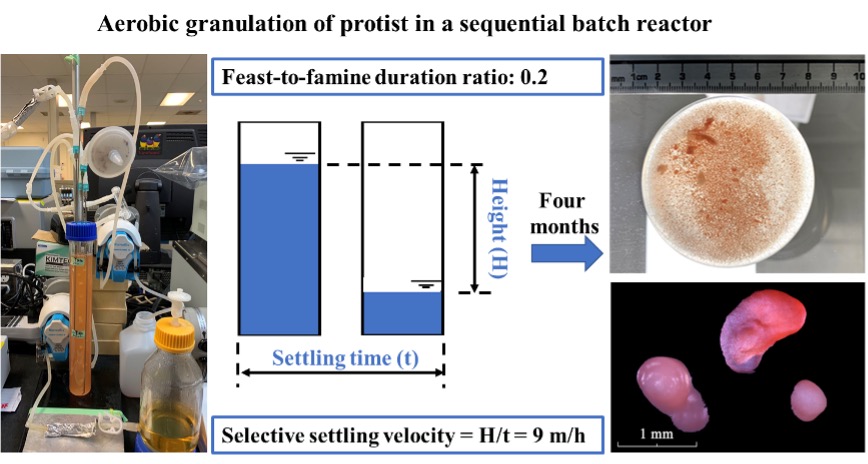
Abstract: Thraustochytrium striatum was selected as a model protist to test the possibility of protist granulation for its good potential of organic waste valorization. Initially, only a selective settling velocity of 9 m h 1 was applied in a sequential batch reactor (SBR) with minimal granulation progress after three months. After the famine condition was introduced into the SBR with a feast-to-famine duration ratio of 0.2 by extending the cycle time and lowering the initial substrate concentration while keeping the selective settling velocity unchanged, protist granules with spherical shape and smooth surface formed and were dominated in the reactor after another month. The average particle size of protist granules was 728 μm, 90 times greater than its planktonic counterpart. This study evidenced the culture-independent phenomenon of aerobic granulation. Also, the combination of a low feast-to-famine duration ratio with a selective settling velocity was found to be required for inducing successful protist granulation.
8/5/2021 Field tour of our pilot-scale continuous flow aerobic granulation reactor in Upper Occoquan Service Authority
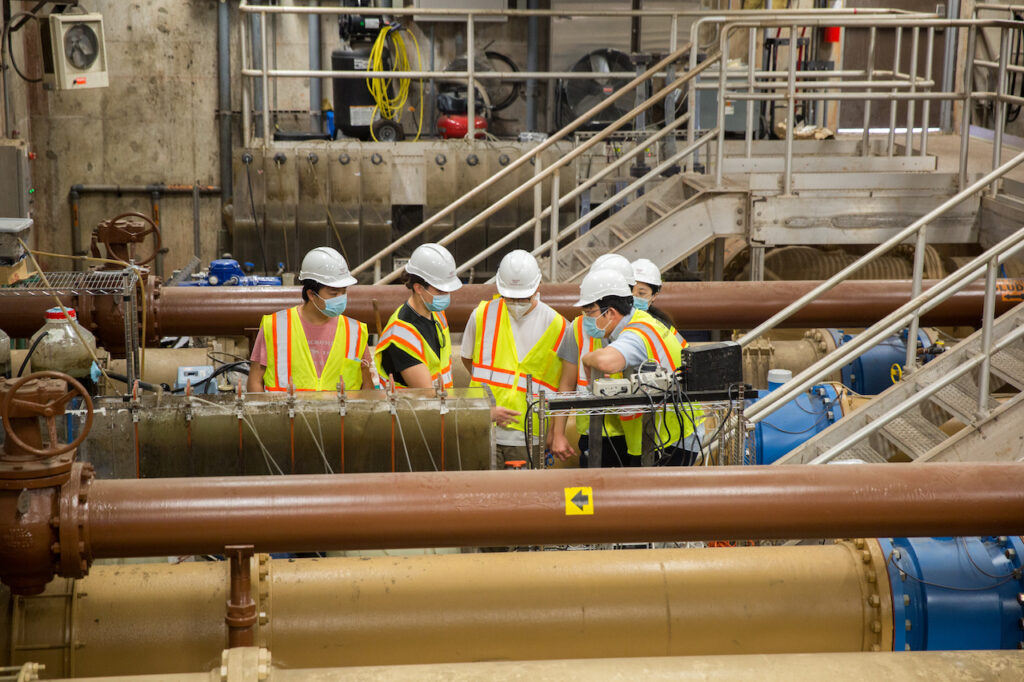
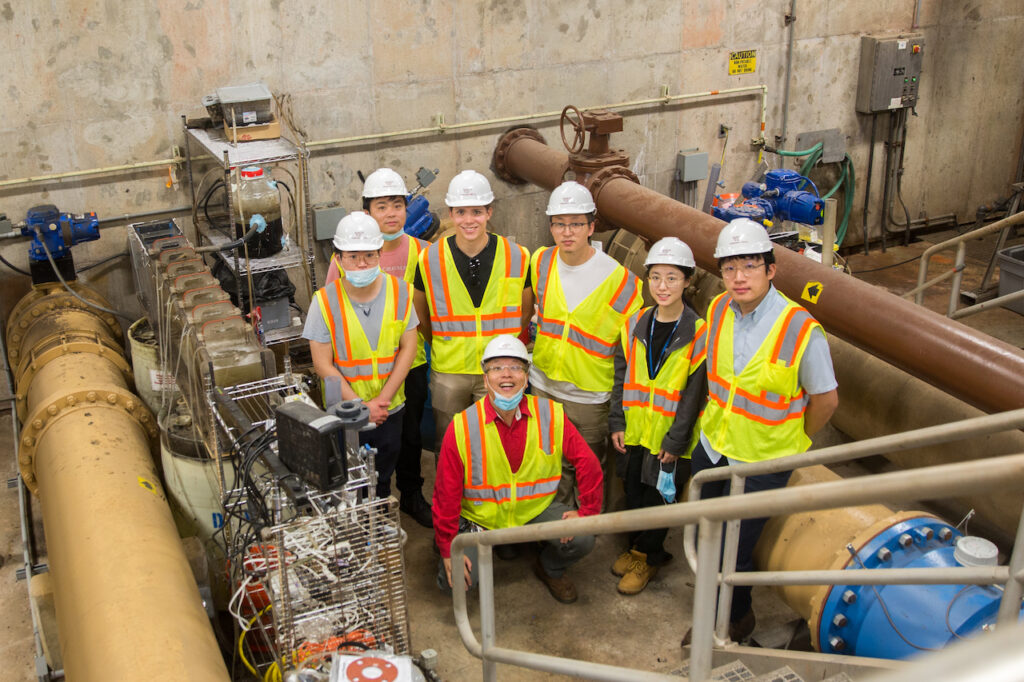
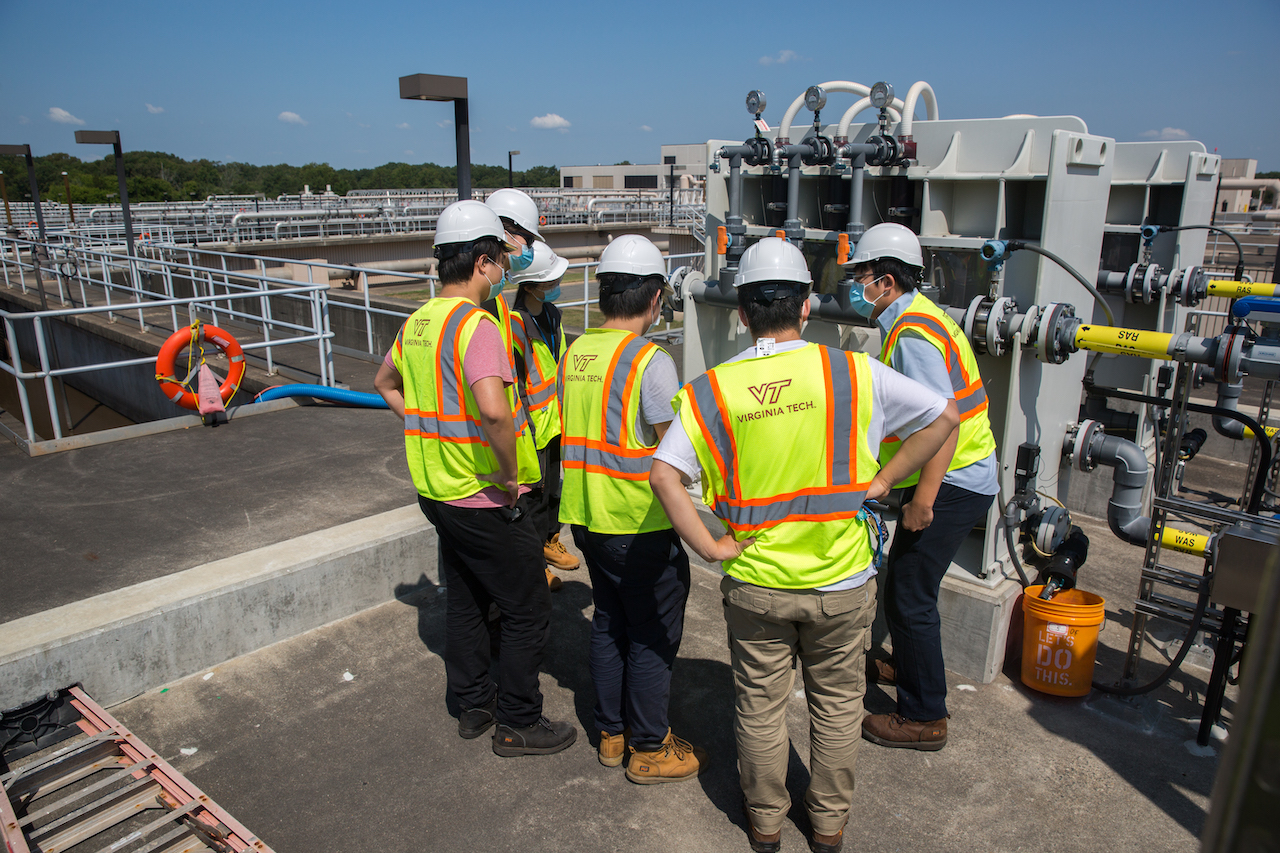
This pilot is a gold mine of our team! About eight journal papers and two Ph.D. dissertations have been produced from this one pilot reactor. It tested our hypotheses of the continuous flow aerobic granulation mechanism and verified the reactor performance under diurnal and seasonal influent quality fluctuation over several years of continuous flow operation.
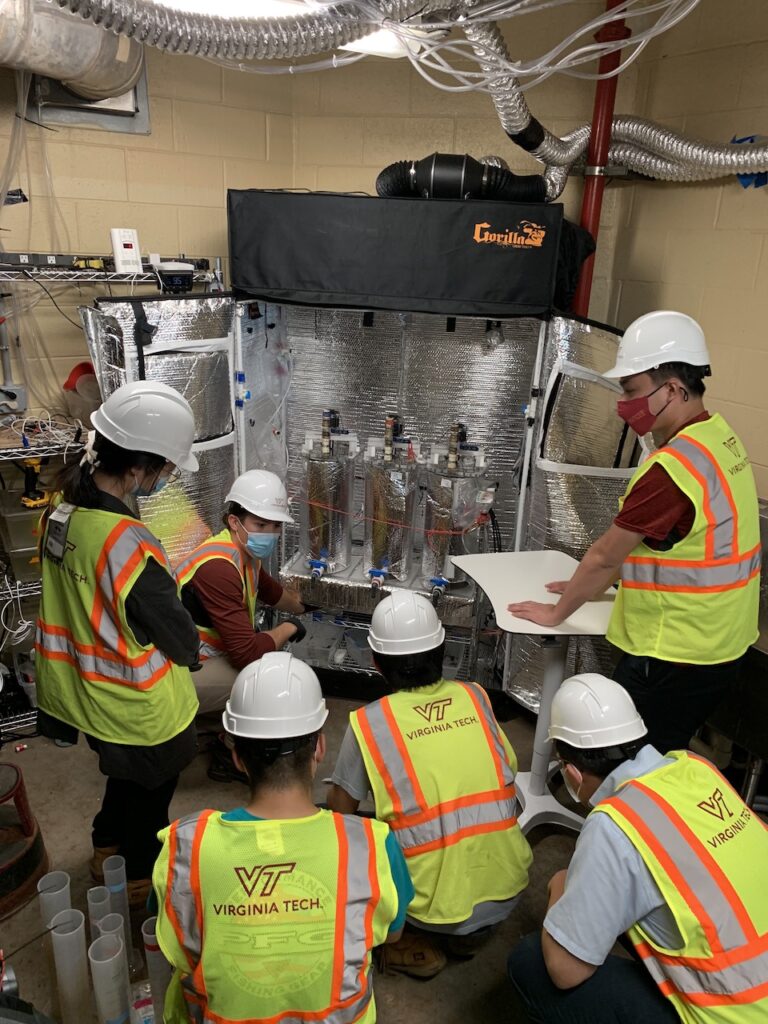
7/27/2021 Field tour of our pilot MBBR-Anammox reactors stationed in Noman M. Cole Jr., Pollution Control Plant
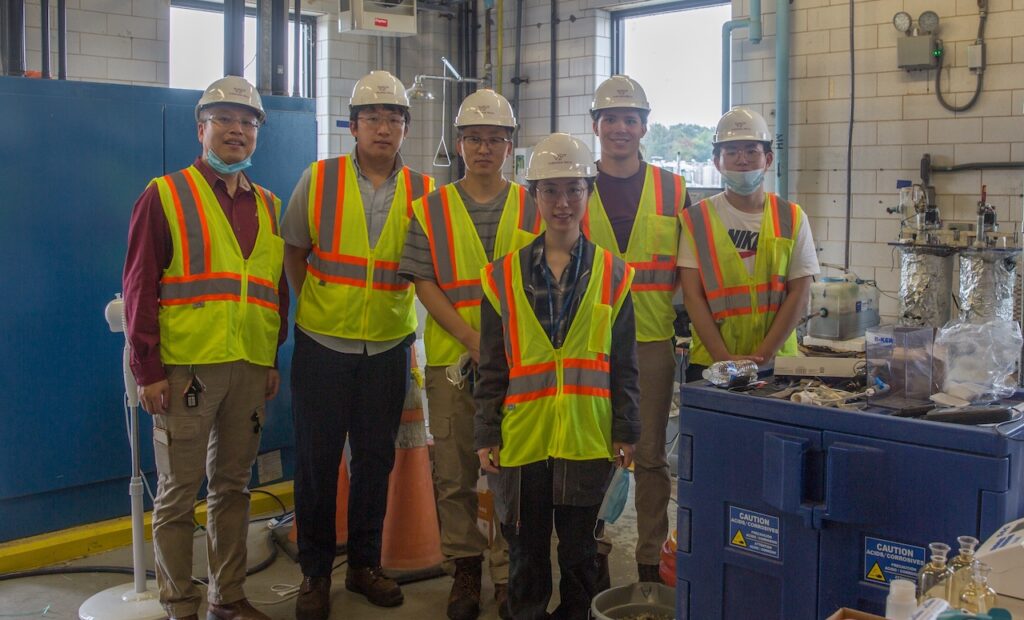
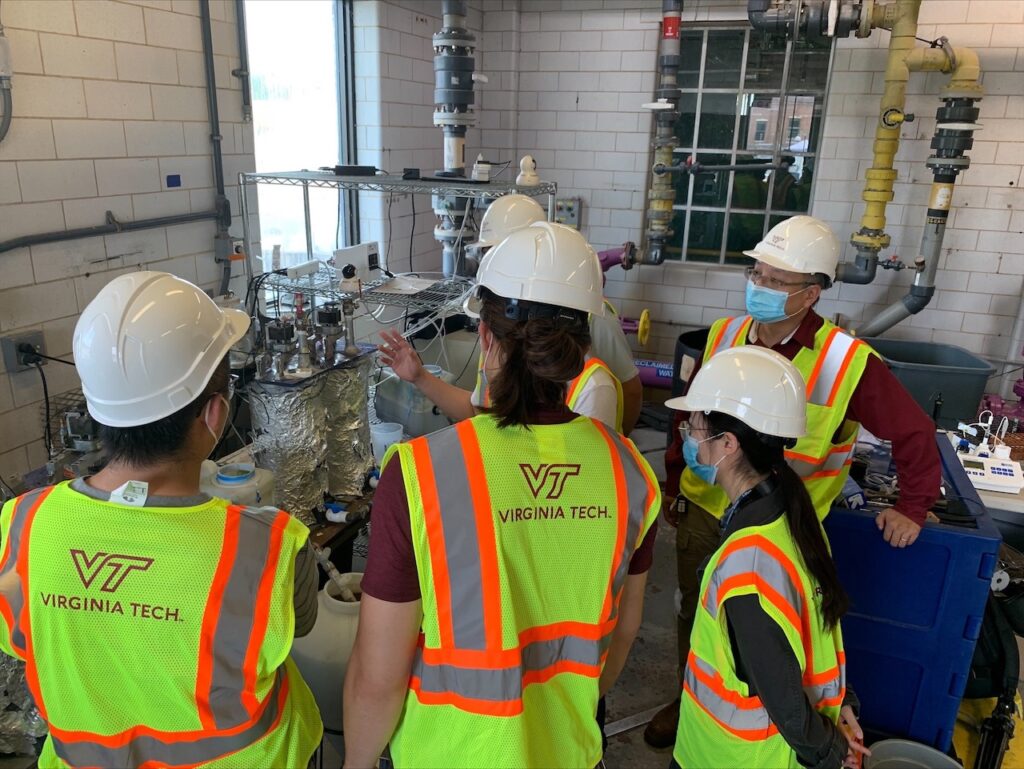
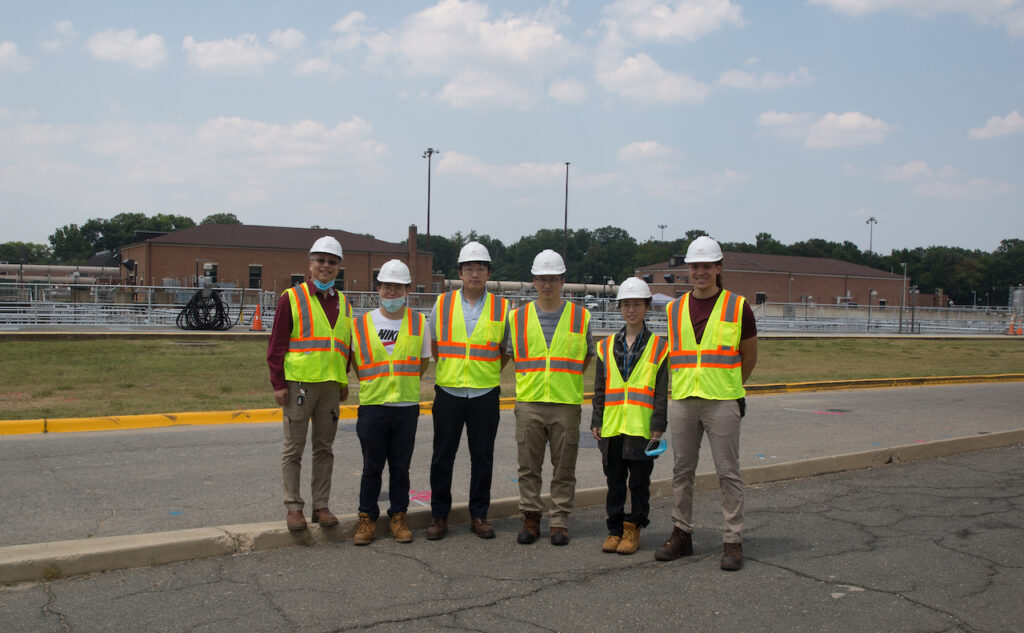
Finally my research team is able to come out and get together for a series of field tours of our pilot experimental systems stationed in utilities across Washington DC metropolitan area. This particular pilot system has been polishing low concentration of nitrogen residual from tertiary treatment through partial denitrification and anammox reactions.